Griffin returns to boarding after kneecap dislocation
Griffin didn't know he had patellar instability until a lacrosse injury, after which his knee dislocated with increasing frequency. He gave up lacrosse, but would he be able to snowboard again?


The patella, or kneecap, is a small bone that fits into a groove on the end of the thighbone and sits over the knee, allowing it to function properly. When the groove is shallow or an accident happens, the kneecap can slide out of place. This is called patellar instability or kneecap dislocation.
In some young athletes, the kneecap repeatedly dislocates by itself, slipping back and forth into place over the course of a few days or weeks. This may cause no pain or mild pain. But when the kneecap is pushed out of place because of an accident, it is usually more painful.
In both cases, it’s important to see a doctor, because without treatment there can be permanent damage and more pain. So, even though this is a fairly common injury, it’s important to be seen by a clinician and often an orthopedist.
Most of the time, kneecap dislocation can be treated with physical therapy and a brace, but in more serious cases, your child may need surgery to repair or tighten the surrounding ligaments. Most children — including those who need surgery — are back to sports and other activities in three to four months.
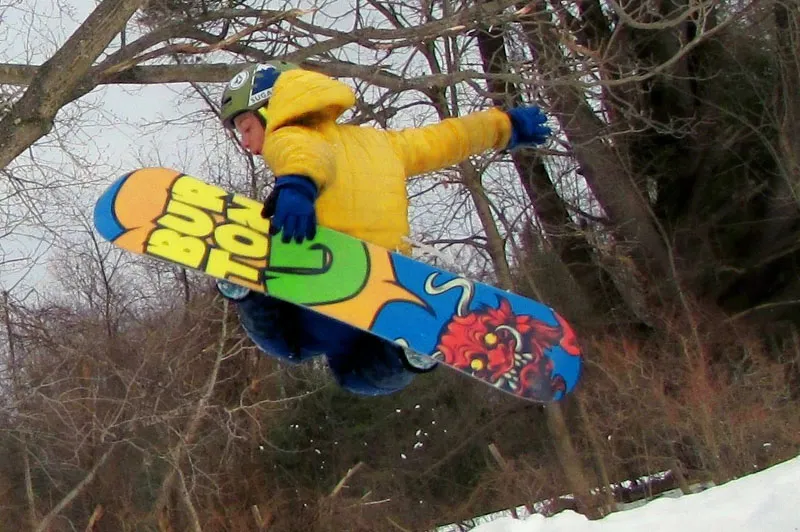
Griffin didn't know he had patellar instability until a lacrosse injury, after which his knee dislocated with increasing frequency. He gave up lacrosse, but would he be able to snowboard again?
If your child’s knee is bothersome because it buckles, slips off to the side or catches during movement, it may mean the kneecap is dislocated.
Other symptoms may include:
There are two general ways that kneecap dislocation occurs:
The diagnosis of a patellar injury begins with a medical history and physical exam. The doctor will evaluate range of motion, the appearance of the knee, and check for soreness or sensitivity.
X-rays may be needed to determine how well the kneecap can fit into the groove. Occasionally, your doctor also may order an MRI to check for ligament tears in the knee.
Treatment for kneecap dislocation depends on how serious the injury is, and whether the kneecap will continue to stay in place over time. The goal is to bring the kneecap to its proper place and keep it there.
Most of the time, the kneecap will go back into place on its own immediately after it dislocates. Other times, children need surgery to keep the kneecap in place. Both treatment options usually allow the child to return to sports and other activities in three to four months.
If your child's kneecap dislocates, go to the emergency room. Here, the doctor will do an X-ray to see if the kneecap is back in place — most of the time it will be. Sometimes, the doctor might have to apply pressure to move the kneecap back into place.
Your doctor may recommend a supportive brace and physical therapy until the knee stabilizes. If the kneecap continues to slide out of place, your doctor may do an MRI to check for any tears in the ligament or loose pieces of bone that might have broken off during the dislocation.
If the knee continues to dislocate or shows symptoms of instability, your child might need surgery to tighten the ligaments and make the area around the knee stronger. This surgery often can be performed arthroscopically using several small incisions.
After surgery, your child will probably wear a brace and walk with crutches for six weeks, and go to physical therapy for two to three months. Once the pain and injury are gone, children usually can return to sports.
At Boston Children’s Hospital, our doctors specialize in orthopedic care. Our clinical experts lead the country in research and care, and have the pediatric orthopedic expertise to treat conditions affecting movement of the patella or knee cap.
While assessing knee dislocation, our orthopedic team will do everything possible to get the most precise diagnosis, so your child can get back to being active.
