

Contact Us
Cardiovascular Clinic for Brain Development in Genetics
Periventricular nodular heterotopia (PVNH) is a developmental brain disorder that causes learning disability and seizures, but one of its most life-threatening complications for these young patients is cardiovascular disease. Joint, pulmonary, and gastrointestinal complications also have been identified. The disorder was first described by the late Peter Huttenlocher, MD, and the causative gene (called Filamin A, FLNA) was identified by Christopher A. Walsh, MD, PhD, of Boston Children’s Hospital.
Affected individuals are usually females, because affected males die before birth or soon after. Prenatal diagnosis by molecular genetic testing is possible if the disease-causing mutation has been identified in an affected relative. The periventricular nodules can be visualized by ultrasound examination as early as 24 weeks of gestation, but the sensitivity of this finding is unknown. But often the disorder presents itself unexpectedly: while half of affected females inherit the gene mutation from their mother, the other half have a new mutation not seen before in the family. For women with X-linked PVNH, the risk of passing the mutation to each child is 50 percent.
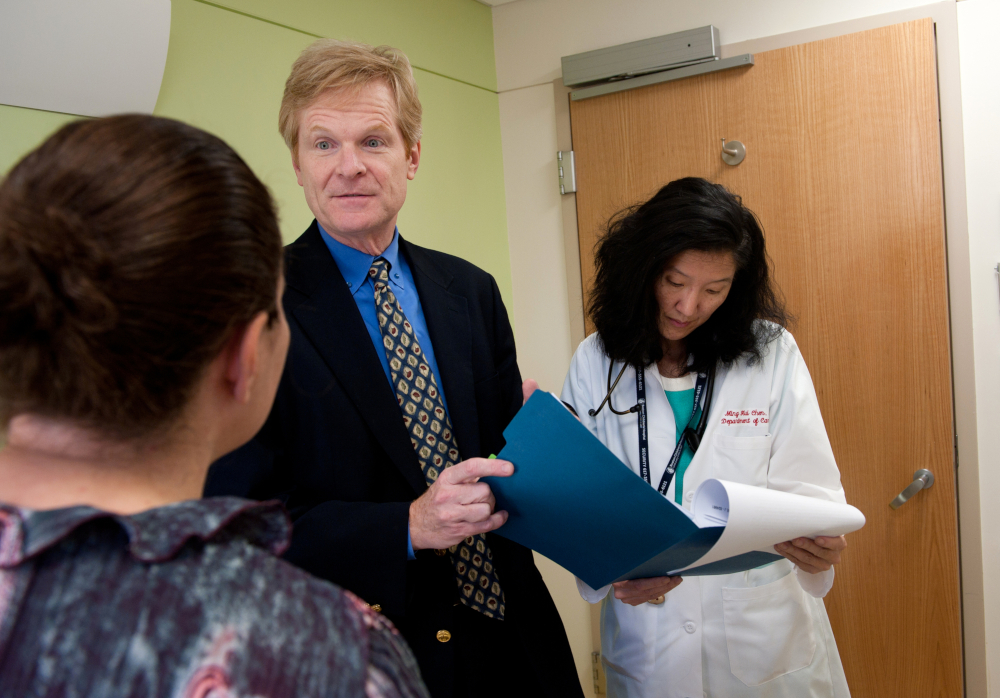
Boston’s Children’s clinicians have helped to diagnose more than 250 patient families with PVNH over the past 20 years. Our BrDG clinic has an interdisciplinary team of neurologists, genetics, genetic counselors, cardiologists, cardiac surgeons, and other medical specialties to give a comprehensive approach to your child’s disease.
Furthermore, for those patients who are not located regionally close to Massachusetts, we have experience with serving as a resource to your local physicians for ongoing follow-up and care.
We also continue to conduct research on this disease with the goal of translating any findings quickly to the clinical practice that directly impact our patients.