Sharon Levy, MD, MPH
Chief, Division of Addiction Medicine
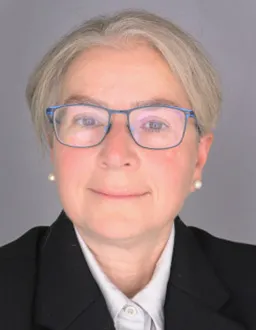
Sharon Levy, MD, MPH
Chief, Division of Addiction Medicine
Medical Services
Medical School
Internship
Residency
Fellowship
Parentcast Podcast
Dr. Sharon Levy is featured: How risky is teen alcohol and drug use — could it lead to addiction?
Ask an Expert
What is Substance Use Disorder?

Ask an Expert
What is alcohol use disorder?

Pregunte a un Experto
¿Qué es el trastorno por consumo de sustancias?
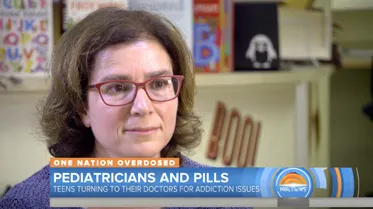
NBC News
Dr. Sharon Levy discusses pilot program in Massachusetts trains pediatricians how to help adolescent addicts get clean
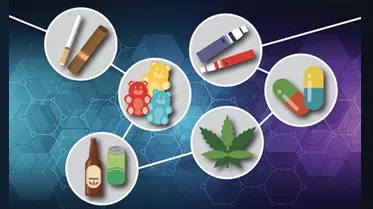
Publication
Authored by Dr. Sharon Levy, this handbook helps primary care pediatricians effectively use the basic tools of addiction medicine
Audible
Dr. Sharon Levy presents: How to Talk to Your Kids About Drugs and Alcohol
Sharon Levy, MD, MPH is a board certified Addiction Medicine specialist and an Associate Professor of Pediatrics at Harvard Medical School. She is Chief of the Division of Addiction Medicine at Boston Children's Hospital, past chair of the American Academy of Pediatrics Committee on Substance Use and Prevention, past-President of the Association for Multidisciplinary Education and Research in Substance use and Addiction (AMERSA) and she serves on the board of directors of the American College of Academic Addiction Medicine (ACAAM).
Over the past 20 years she has evaluated and treated thousands of adolescents with substance use disorders, and she has written extensively on the topic. In 2016 she established the nation’s first accredited Pediatric Addiction Medicine Fellowship training program at Boston Children’s Hospital. She has conducted research to develop and test tools for identifying and addressing adolescent substance use disorders in general medical settings, and she has expertise in the integration of substance use treatment services into pediatric primary care.
During this time period, I became interested in child and family advocacy, and after completing a year as a Chief Resident in Pediatrics, I accepted a Dyson Advocacy Training Fellowship in the Division of General Pediatrics at Children's Hospital Boston. After completing my training in 2000 I became the Director of Pediatrics for a new Adolescent Substance Abuse Program (ASAP). Shortly thereafter I received a career award from NIH to develop scientific skills in adolescent substance use disorders. In the ensuing years both clinical and research arms of ASAP have continued to grow and flourish.
ASAP is committed to delivering science based, family oriented, developmentally appropriate care for adolescents and young adults with substance use disorders. We are a "full spectrum" program, offering evaluation and treatment services for adolescents with a range of substance use experience, from new onset problems to addiction.
Just like other medical problems, optimal treatment for substance use disorders combines medical treatment with psychosocial support. For example, medications for nicotine use disorders can triple the odds of a successful quit attempt for young people who vape nicotine. Withdrawal symptoms from cannabis, including sleep difficulties, anxiety and irritability, can be mitigated with medication, but untreated, can make it challenging for a young person to sustain use reductions. Medications can also help treat symptoms of anxiety and depression that often co-occur with substance use. Ameliorating physical symptoms may alleviate a major barrier to behavior change while conveying empathy and reducing stigma. Substance use counseling can help young people identify and cope with cravings, find healthy ways of managing stress, and avoid triggers for substance use in addition to providing more general support. In ASAP, we also work with families to help them support their children through substance use treatment. The combination of medical treatment, counseling and support for families is very powerful.