Meet Colin
Born with a rare neuromuscular disorder, he spent his first months in the ICU struggling to breathe. Spinal surgery for neuromuscular scoliosis and a drive to keep up with his sisters helped him to swim, ski, and play.

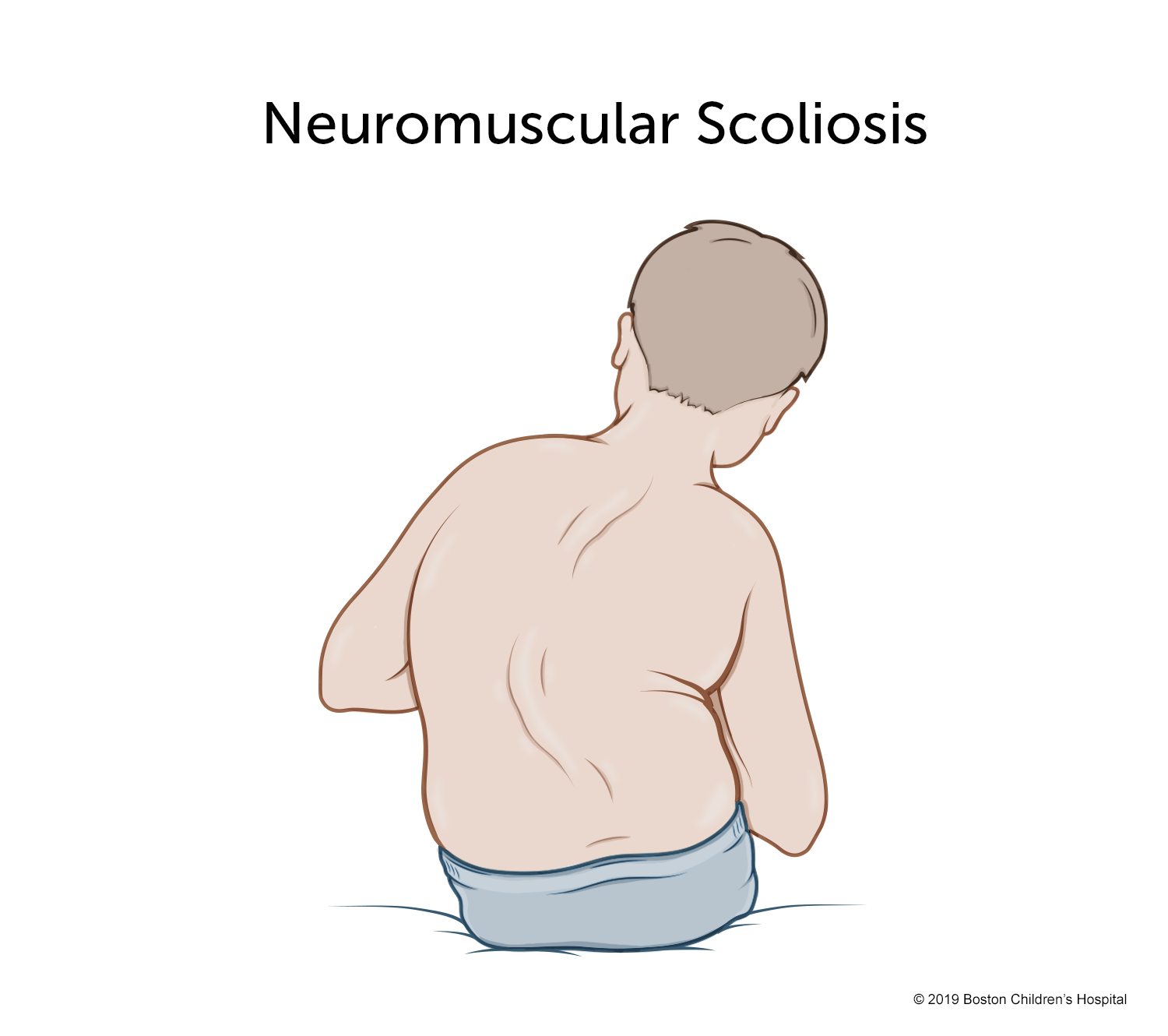
Neuromuscular scoliosis is one of three main types of scoliosis that cause an irregular curvature of the spine. It is the second most common form of scoliosis and is associated with disorders of the nerve or muscular systems such as cerebral palsy, spina bifida, and spinal cord injury.
These types of neuromuscular conditions cause muscles to become weak, spastic, or paralyzed. Without full support from the muscles of the back, the spine can develop an abnormal curve as it grows.
Signs of neuromuscular scoliosis often appear early in a child’s life. You, your child’s doctor, or another caregiver will most likely notice your child’s spinal curve through a change in their overall body position or when they start having trouble sitting in a chair. Symptoms may include:
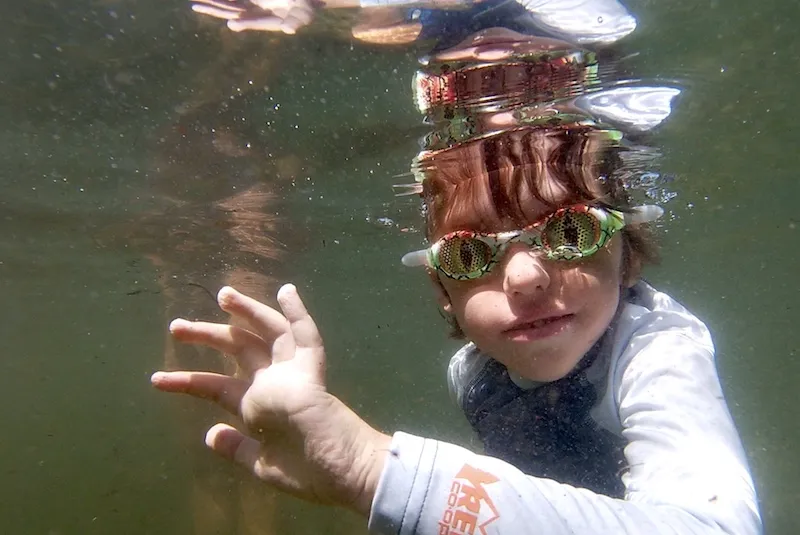
Born with a rare neuromuscular disorder, he spent his first months in the ICU struggling to breathe. Spinal surgery for neuromuscular scoliosis and a drive to keep up with his sisters helped him to swim, ski, and play.
Your child’s doctor will use medical and family histories, physical exams, and diagnostic tests to determine the nature, extent, and impact of your child’s scoliosis. They will also evaluate your child’s underlying neuromuscular disease, including their:
Doctors can often predict the likely progression of a child’s scoliosis. They do this by assessing the severity of the existing curve and comparing that to the child’s stage of growth. Mild or moderate curves can become more pronounced during growth spurts. Children at a later stage of growth may be less prone to further spinal deformity.
X-ray images taken from the front and side are the main tool for confirming neuromuscular scoliosis and the severity of the curve.
Your child’s doctor may also order one or more of the following tests to evaluate the underlying condition associated with the scoliosis:
Non-surgical treatments such as bracing, wheelchair modification, physical therapy, and environmental adaptation can help your child adapt to everyday environments and improve their mobility. Bracing can prevent your child’s spinal curvature from getting worse during periods of growth, but bracing will not correct the curve.
Stabilizing the spine with spinal fusion surgery is the most common treatment for neuromuscular scoliosis. Using metal rods, hooks, screws, and wires, known as instrumentation, the procedure straightens the spine and solidifies the bone so it will no longer curve abnormally. For six to 12 months after surgery, the spine fuses in much the same way that a broken bone heals. The child will need to wear a brace during this time. The instrumentation typically remains in the back without causing any problems.
The goal of a spinal fusion surgery for neuromuscular scoliosis is to:
Spinal fusion for neuromuscular scoliosis is usually necessary by the time a child reaches adolescence — often sooner than with idiopathic scoliosis. Compared to idiopathic scoliosis, it is usually necessary to fuse a larger portion of the spine in order to correct neuromuscular scoliosis.
Because children with neuromuscular scoliosis have a higher rate of complications, quality and safety are critical at each stage of the surgery — from preoperative planning all the way through recovery. Research has shown that the involvement of a multidisciplinary team of specialists can reduce the risk of complications.
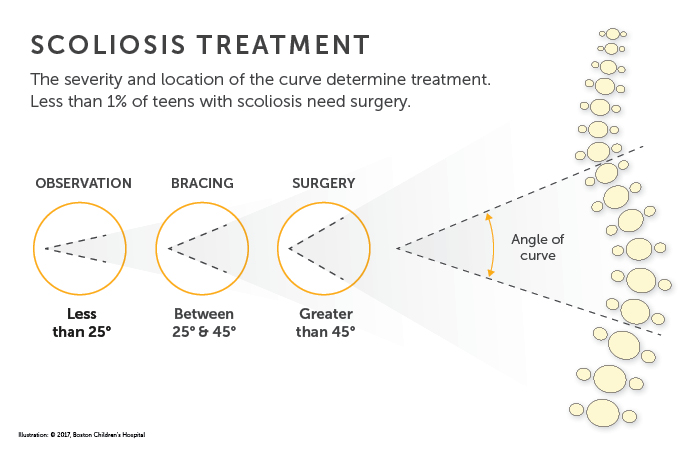
Informational chart outlining scoliosis treatment by severity, with circular icons representing observation, bracing, and surgery. The chart specifies angle ranges for each option and includes a labeled diagram showing how the curve angle is measured, emphasizing that surgery is rare among teens.
A child’s outlook depends less on their scoliosis and more on the nature, severity, and overall impact of their neuromuscular disease. With successful surgery and attentive post-operative care, your child can:
The Spine Division at Boston Children’s Hospital is the largest and busiest pediatric spine center in the United States. With a focus on quality and safety, our spine specialists see thousands of spine patients and perform hundreds of spine surgeries each year. We treat all types of scoliosis and other spine conditions, from the most common to the most complex.
We also work closely with Boston Children’s Department of Neurology and the Children with Medical Complexity program to correct complex spine deformities that involve the spinal cord. This multidisciplinary approach to care helps ensure that every patient receives the highest quality care, no matter how complex their surgical, medical, and behavioral needs.
