
Contact Us
Fetal Care and Surgery Center


The neural tube is a structure that forms in the early stages of fetal development and eventually grows into the brain and spinal cord. When the neural tube fails to close completely, it can result in various abnormalities, including:
Genetic and environmental factors both play a role in the development of neural tube defects. Taking folic acid before and during early pregnancy has been shown to reduce the risk of neural tube defects, and it is often recommended for people who are pregnant or planning to become pregnant.
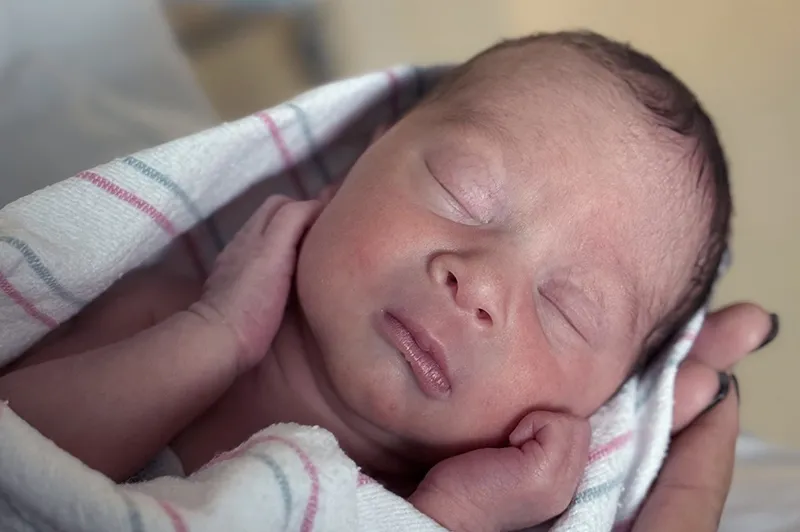
He underwent the first mini-laparotomy fetoscopic surgical repair of NTD the East Coast while still in his mother’s womb.
Screenings such as a prenatal ultrasound can help identify neural tube defects early in pregnancy, allowing for appropriate intervention and management. In some cases, more detailed imaging studies, such as fetal MRI, may provide a more thorough evaluation. Additionally, diagnostic testing such as amniocentesis can analyze amniotic fluid for chromosomal abnormalities or other genetic factors associated with neural tube defects.
A diagnosis of encephalocele and closed spina bifida are most often treated with good outcomes. Open spina bifida defects are almost always treated surgically, either before or after birth. The choice between prenatal and postnatal surgery for neural tube defects depends on various factors, and each approach has its own benefits and risks.
In recent years, a groundbreaking clinical trial called The MOMS trial (Management of Myelomeningocele Study) assessed the safety and efficacy of fetal surgery to treat open spina bifida. The study compared outcomes between in utero repair and open postnatal (after delivery) repair, and showed significant benefits to prenatal surgery, such as:
While the MOMS trial provided important insight into fetal surgery for open spina bifida, it also highlighted potential risks, such as an increased chance of preterm delivery, uterine injury or infection, and bleeding in the pregnant person. Fortunately, advancements since the trial have led to safer, minimally invasive prenatal treatments for open spina bifida, which include:
During an open hysterotomy, a large incision is made on the pregnant person’s abdomen and uterus so surgeons can repair the neural tube defect directly. Following the repair, the uterus and abdominal wall are stitched up in layers to ensure there is no bleeding. Open hysterotomies are typically performed late in the second trimester or in early in the third trimester.
A fetoscopic repair can be performed either percutaneously (through the skin) or through an abdominal incision. This minimally invasive procedure involves using a small camera called a fetoscope and tiny surgical instruments to access the fetus through small entry holes made in the uterus. Surgeons then locate and repair the defect using specialized instruments before sealing the access points.
Fetoscopic repair has been shown to have multiple benefits to both the pregnant person and the fetus, including:
Surgery to repair a neural tube defect can occur within the first few days after delivery. Postnatal surgery gives surgeons direct visibility and access to the infant’s skin and tissues. Advantages of postnatal repair include:
While postnatal repair provides many benefits to both the baby and pregnant person, it can’t reverse hindbrain descent (Chiari II) or improve the function of the legs, both of which are possible with prenatal repair.
At Boston Children’s, we tailor our treatment approach around different factors, including the type and location of the neural tube defect, additional health conditions in the pregnant person (comorbidities), and the wishes of the parents. When repairing a neural tube defect in utero, our team prioritizes the overall health of the pregnant person and fetus when determining which surgical approach to take. We closely follow the accepted guidelines around who is a good candidate for fetal surgery and who is not.
At the Fetal Care and Surgery Center, our multidisciplinary team of fetal surgeons, maternal-fetal medicine specialists, neurosurgeons, neurologists, pediatricians, urologists, and other experts evaluates each case individually to ensure that decisions about repair surgery consider the specific circumstances of both the fetus and the pregnant person to achieve the best possible outcomes.