Popular Search Terms

Practitioners Who Specialize In This Condition (8)
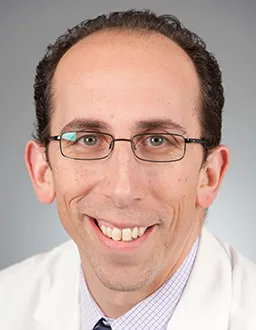
Scott A. Elisofon, MD
Gastroenterologist, Division of Gastroenterology, Hepatology and Nutrition; Clinical Director, Center for Childhood Liver Disease; Medical Director, Liver Transplant Program
Assistant Professor of Pediatrics, Harvard Medical School

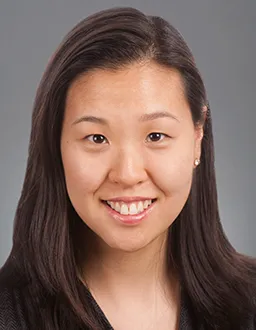
Christine K. Lee, MD
Director, Fatty Liver Interdisciplinary Program; Program Director, Transplant Hepatology Fellowship Program; Medical Director, Multivisceral and Intestine Transplant Program; Gastroenterologist, Division of Gastroenterology, Hepatology and Nutrition
Assistant Professor of Pediatrics, Harvard Medical School